Paylaş | 05 February 2026
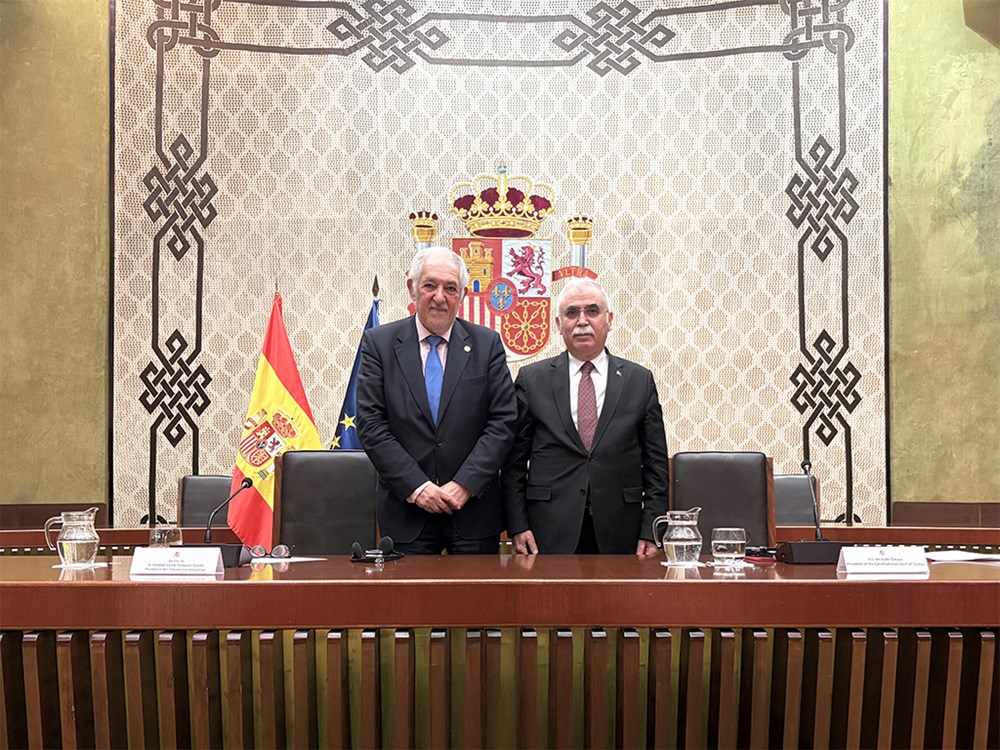
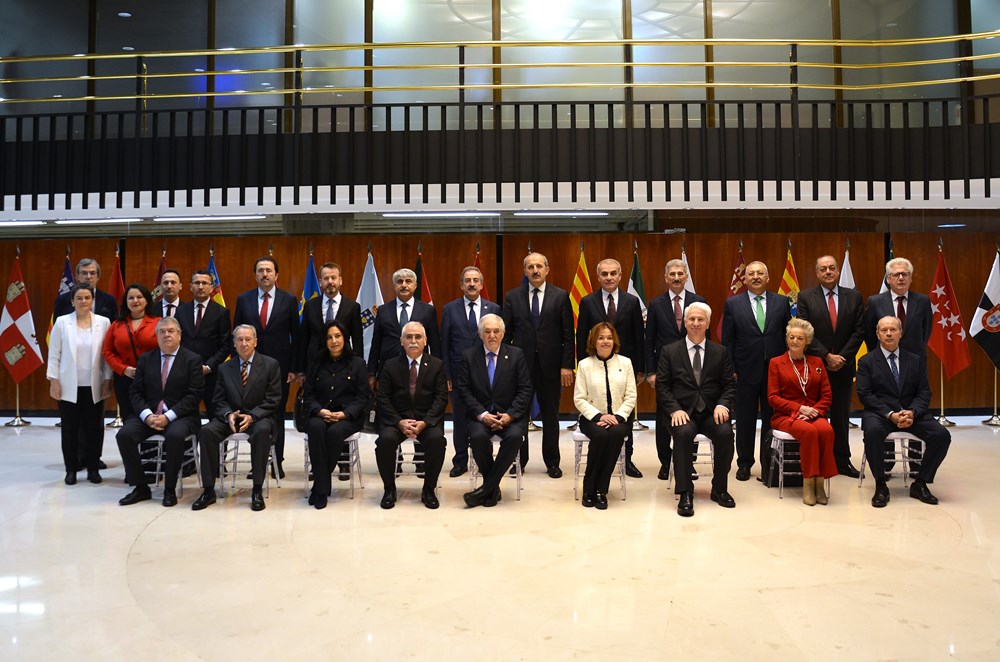
President of the Constitutional Court Mr. Kadir Özkaya and the accompanying delegation paid a working visit to Spain on 3-4 February 2026 as part of initiatives aimed at strengthening bilateral relations in the field of constitutional justice. During the visit, discussion sessions were held at both the Constitutional Court of Spain and the Supreme Court of Spain, facilitating the sharing of knowledge and experience.
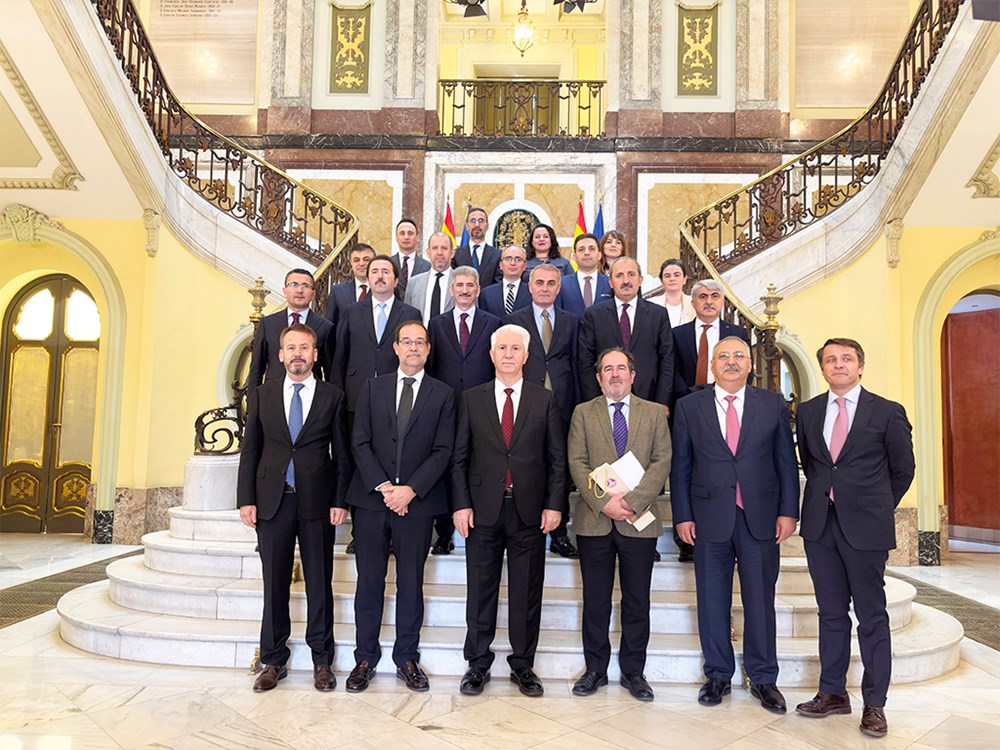
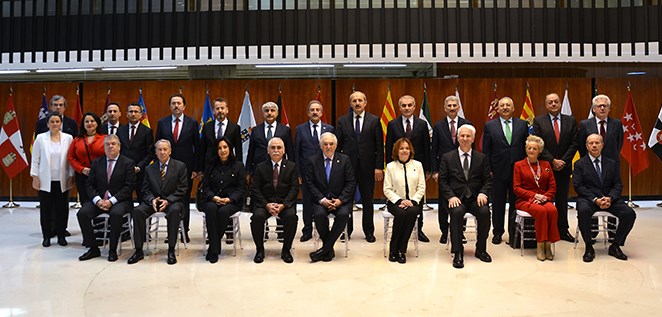
The visit took place as part of the “Project on Supporting the Effective Implementation of Turkish Constitutional Court Judgments in the Field of Fundamental Rights”, a joint initiative of the Constitutional Court of the Republic of Türkiye, the European Union, and the Council of Europe. Among those who accompanied President Kadir Özkaya were Vice-President Mr. Hasan Tahsin Gökcan, Members of the Constitutional Court Mr. Recai Akyel, Mr. Yusuf Şevki Hakyemez, Mr. Selahaddin Menteş, Mr. İrfan Fidan, Mr. Kenan Yaşar, Mr. Muhterem İnce, Mr. Ömer Çınar, and Mr. Metin Kıratlı, as well as Secretary General Mr. Murat Azaklı and other officials of the Court.
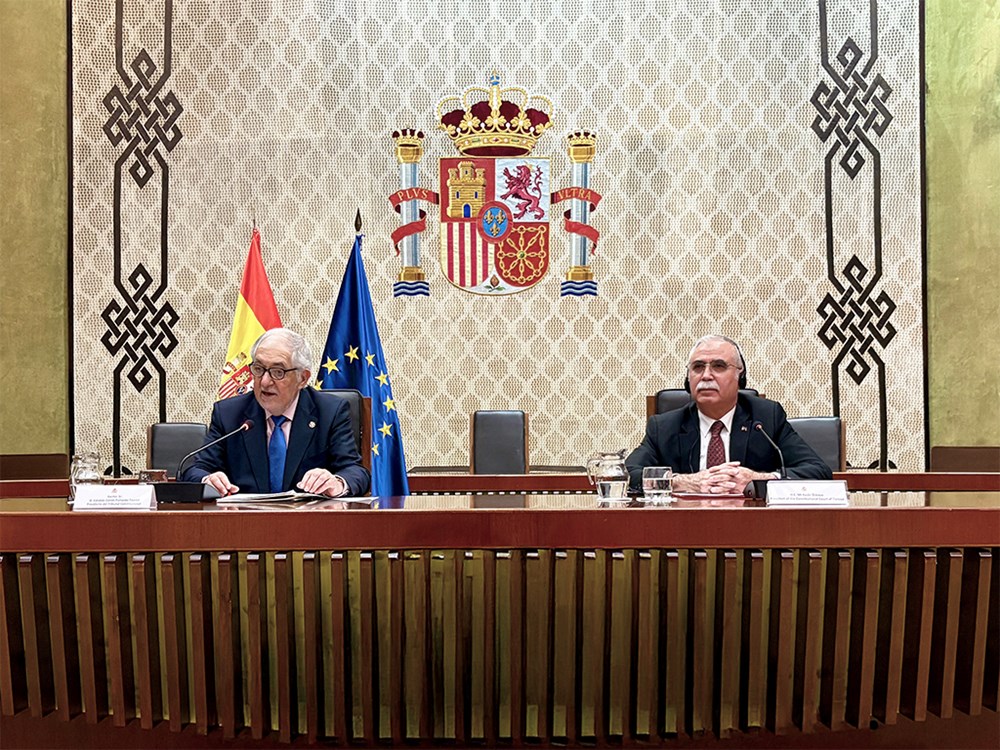
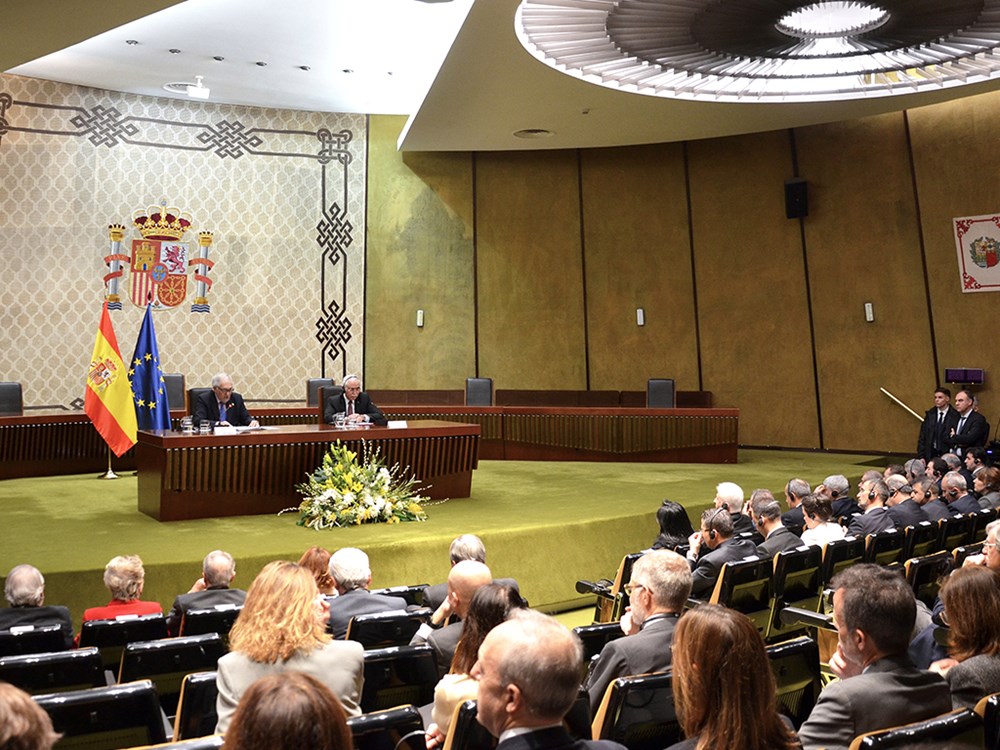
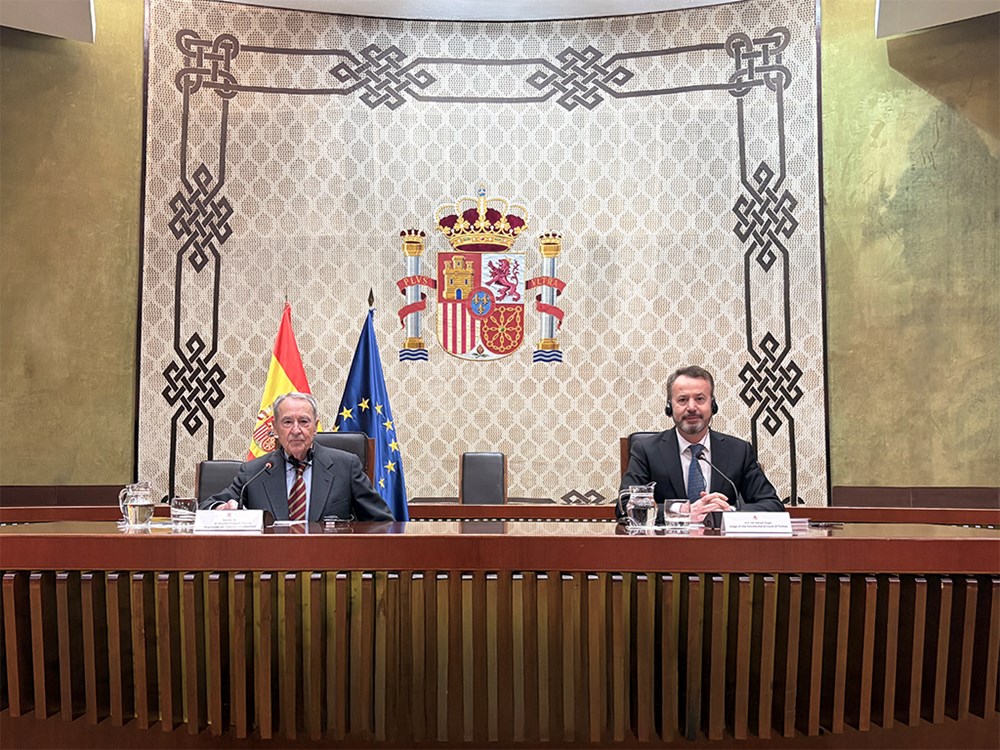
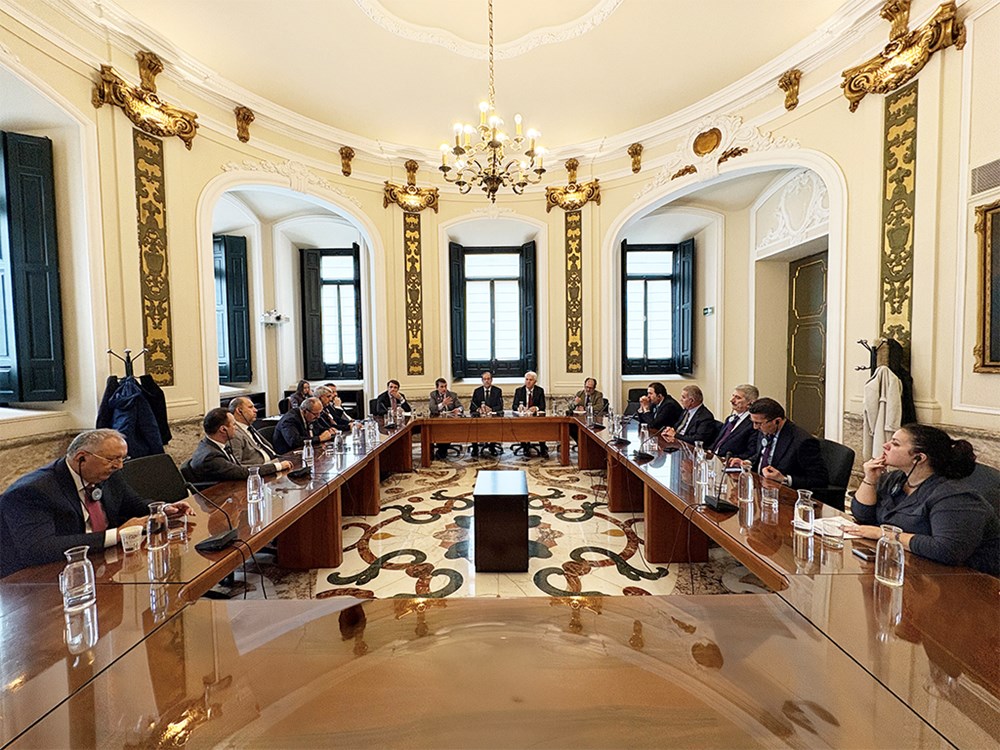
The delegation first visited the Constitutional Court of Spain. After President Özkaya signed the Book of Honour, the delegation held discussion sessions to exchange knowledge and experience.
In his opening remarks, Mr. Cándido Conde-Pumpido Tourón, President of the Constitutional Court of Spain, expressed his satisfaction at hosting the delegation of the Constitutional Court of the Republic of Türkiye. Emphasising his belief that the discussion sessions would further strengthen relations between the two Courts, President Conde-Pumpido Tourón stated: “Although located in different geographical regions, our Constitutional Courts share the same European constitutional tradition. Within this common framework, the amparo procedure in Spain and the individual application mechanism in Türkiye stand out as indispensable instruments for the protection of fundamental rights, thereby strengthening and consolidating the ties between these Courts. These sessions are designed as a platform for sharing experiences, engaging in joint reflection, and strengthening institutional capacity. Such collaborative efforts play a crucial role in preserving the coherence and integrity of our legal systems. The Constitutional Court of Spain hereby reaffirms its strong commitment to further deepening this cooperation, firmly believing that meetings such as today’s contribute to strengthening our respective institutions and, consequently, to enhancing the effective protection of fundamental rights and freedoms.”
Turkish Constitutional Court Has Achieved Remarkable Success in the Field of Individual Application
In his address, President Özkaya emphasised the great importance of the working visit in terms of both professional exchange and the promotion of bilateral relations. Assessing the success of the individual application mechanism within the Turkish legal system, President Özkaya stated: “The Turkish Constitutional Court has achieved remarkable success in the field of individual application. Despite the annual number of applications approaching hundreds of thousands and notwithstanding extraordinary circumstances, the individual application mechanism still remains an effective remedy. I can also state that we have developed a very rich body of case-law in this regard.” Drawing attention to the activities carried out within the scope of the project jointly implemented with the Council of Europe, President Özkaya noted that the collaborative efforts undertaken had made a significant contribution to the development of the individual application system.
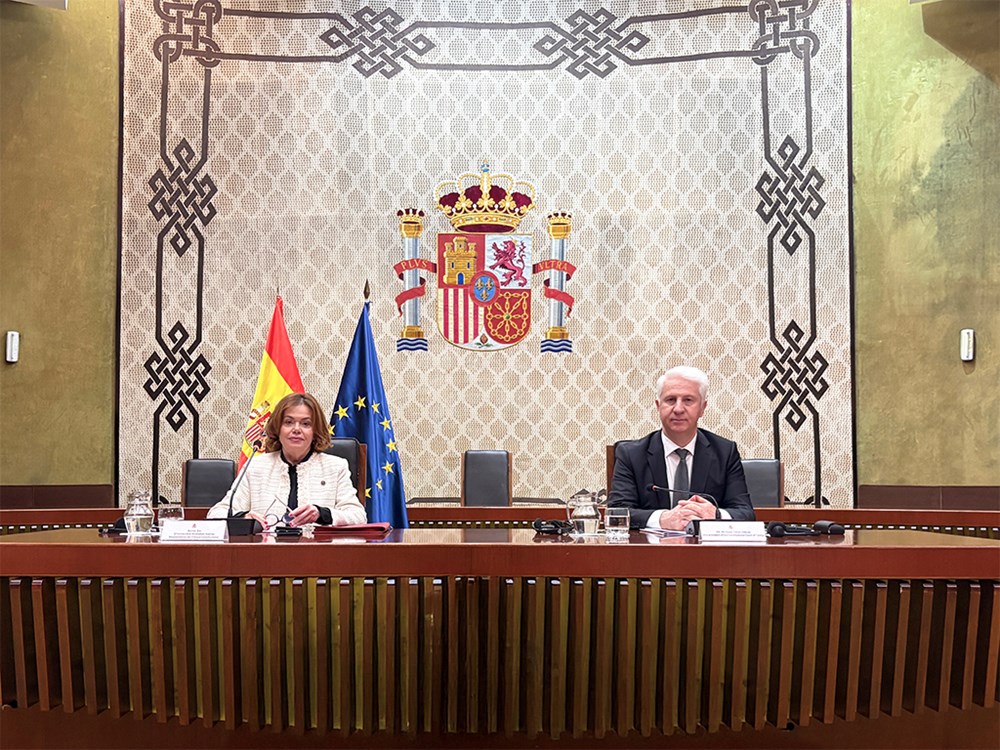
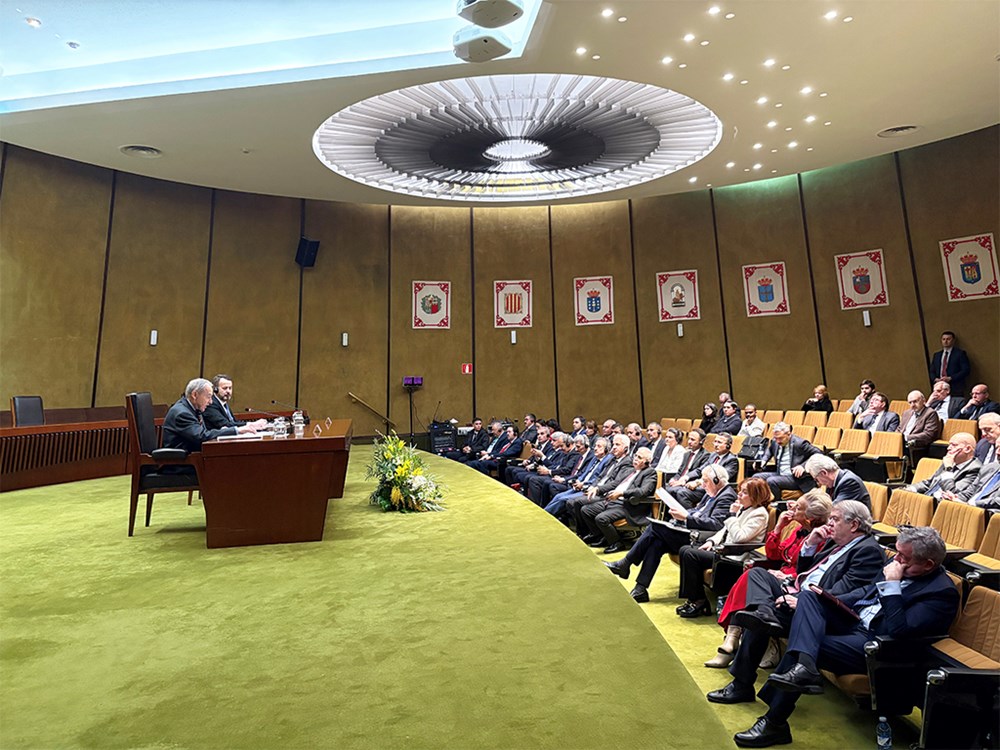
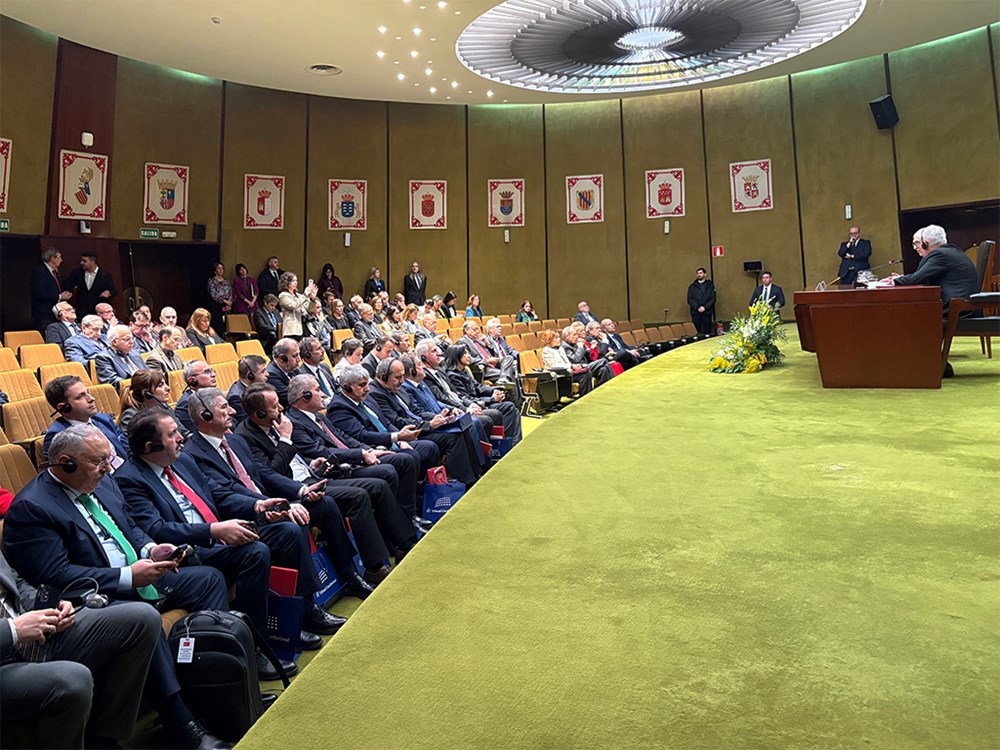
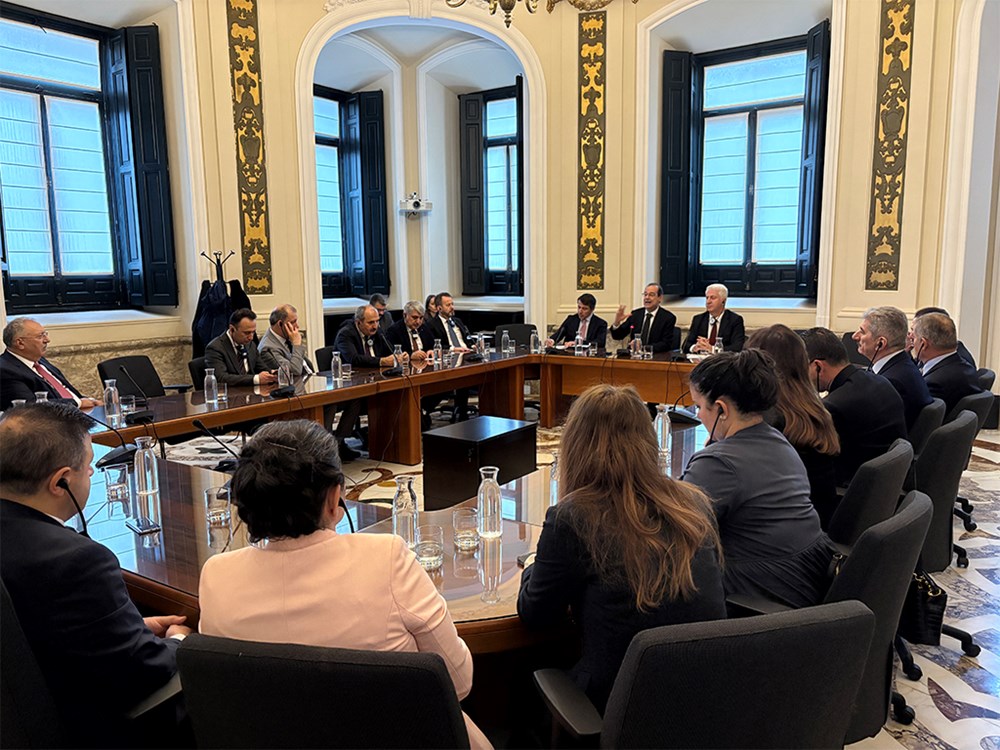
Following the opening remarks, respective presentations were delivered. In this regard, Vice-President of the Constitutional Court of Spain Ms. Inmaculada Montalbán Huertas provided an overview of the duties and powers of the Constitutional Court of Spain and shared assessments regarding the amparo system. Vice-President of the Turkish Constitutional Court Mr. Hasan Tahsin Gökcan provided information on the duties and powers of the Constitutional Court of the Republic of Türkiye, as well as its procedural rules and working methods. Member of the Constitutional Court of Spain Mr. Ricardo Enríquez Sancho and Member of the Turkish Constitutional Court Mr. Kenan Yaşar delivered presentations entitled “The Concept of Special Constitutional Significance within the Scope of Individual Application”.
What Truly Matters Is the Implementation of the Erga Omnes Effect of Violation Judgments
In the final discussion session, President of the Constitutional Court of Spain Mr. Cándido Conde-Pumpido Tourón and President of the Turkish Constitutional Court Mr. Kadir Özkaya delivered presentations on the implementation of Constitutional Court judgments and the follow-up of constitutional case-law by courts of general jurisdiction. Noting that thousands of rights violations have been remedied through judgments rendered within the scope of individual application, President Özkaya emphasised that constitutional guarantees have thus been transformed from abstract principles into a concrete protection mechanism.
President Özkaya further underlined that the individual application mechanism has progressed successfully through constitutional case-law and has been recognised by the European Court of Human Rights as an effective domestic remedy. In this sense, he stressed that one of the fundamental prerequisites for the continued success of the individual application mechanism and for the prevention of new violations is the proper execution of violation judgments.
Addressing the inter partes and erga omnes effects of violation judgments, President Özkaya stated: “For us, what truly matters is the implementation of the erga omnes effect of violation judgments, meaning that such judgments are duly considered and applied by first-instance courts or higher courts in precedent or similar cases. In this way, the individual application mechanism becomes more effective, the number of violations decreases, and the law is constitutionalised.
Providing information on the steps taken to facilitate the implementation of the erga omnes effect of violation judgments, President Özkaya shared examples from the Constitutional Court’s judgments and practices. He accordingly added: “The purpose of all these practices is to contribute to the administration of justice, uphold the rule of law, and protect fundamental rights and freedoms; to satisfy individuals’ and institutions’ sense of justice; and to strengthen public confidence in the State and the law.”
The Constitutional Court Delegation Visited the Supreme Court of Spain
On the second day of the working visit to Spain, the Turkish delegation visited the Supreme Court of Spain.
In his remarks, Vice-President of the Supreme Court of Spain Mr. Dimitry Berberoff Ayuda expressed his satisfaction at hosting the delegation of the Turkish Constitutional Court. Outlining the working procedures and principles of the Supreme Court, he shared general assessments regarding the Spanish legal system.
Vice-President of the Turkish Constitutional Court Mr. Hasan Tahsin Gökcan also emphasised the significance of the visit in terms of both exchange of knowledge and experience and the strengthening of bilateral relations. He expressed: “Today, we will have the opportunity to address different aspects of human rights adjudication, particularly its relationship with domestic remedies and, in this regard, the role of the higher judiciary. Undoubtedly, these deliberations will be highly fruitful in terms of enhancing knowledge and capacity”.
The remarks were followed by discussion sessions during which judges of the Supreme Court of Spain delivered presentations on various topics, including the structure, duties and powers of the Supreme Court, as well as the interplay between the Constitutional Court of Spain and the European Court of Human Rights.
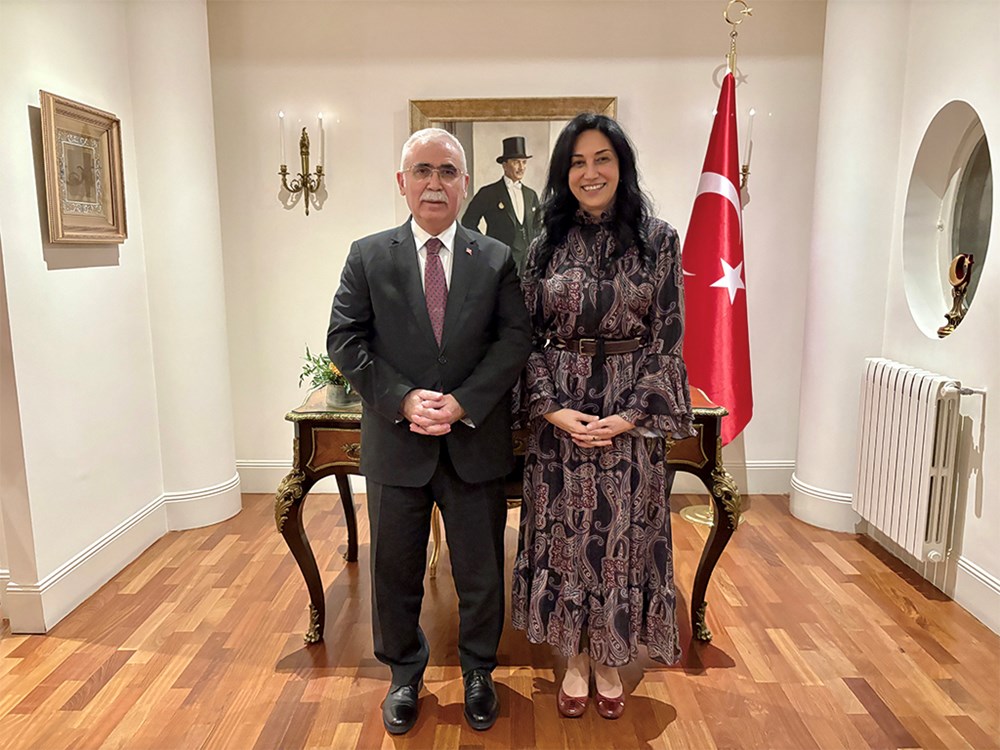
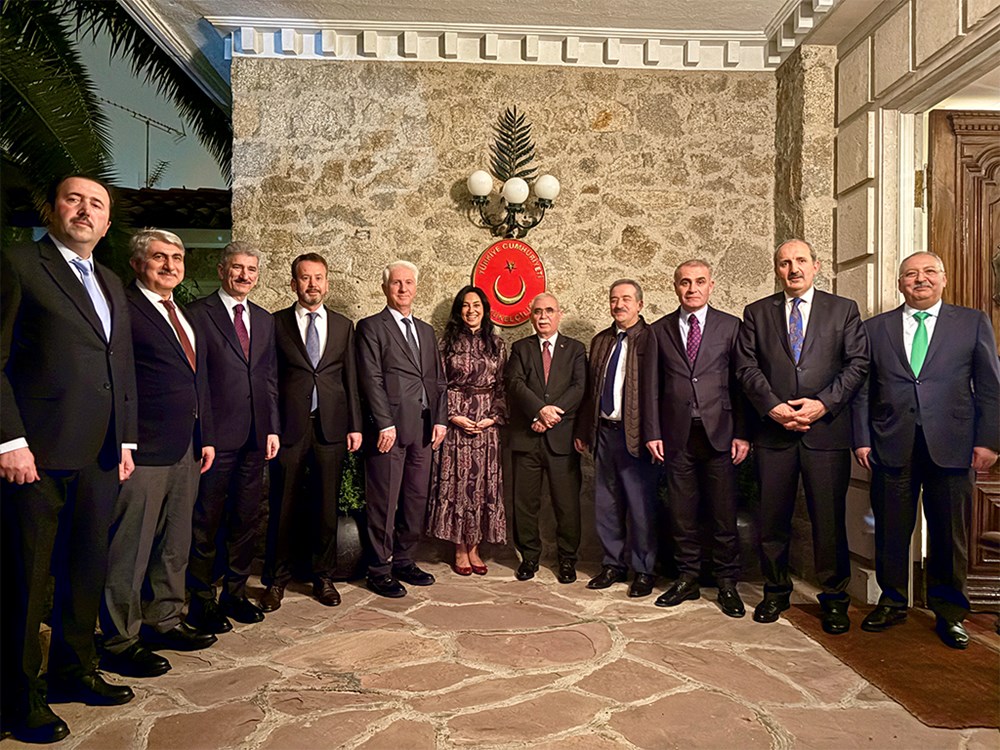
As part of their visit to Spain, President Mr. Kadir Özkaya and the accompanying delegation also met with Ms. Nüket Küçükel Ezberci, Ambassador of the Republic of Türkiye to Madrid.